The Rise of Female Adventure Travelers in India | Empowering Journeys Beyond Boundaries
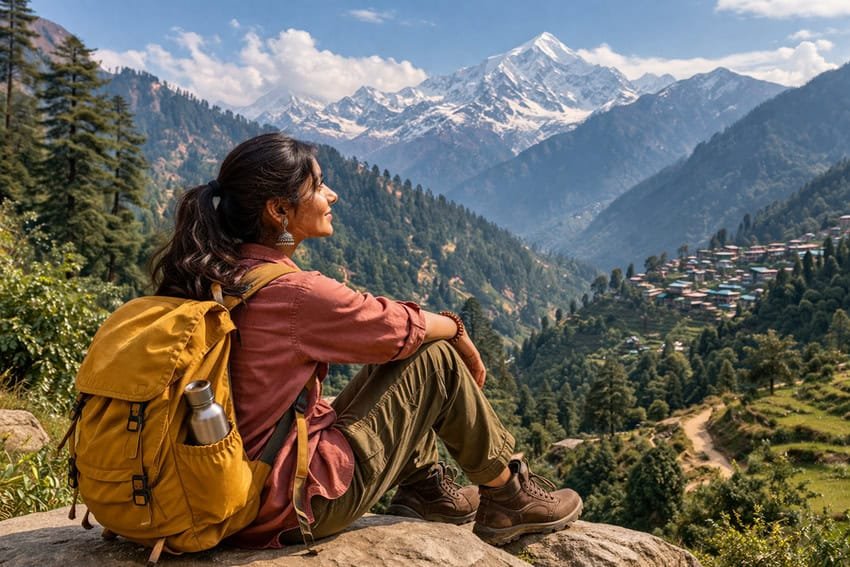
Over the past decade, India’s adventure tourism landscape has undergone a remarkable transformation. Among the most inspiring developments is the increasing participation of women in trekking and outdoor exploration. Once perceived as a male-dominated activity, trekking is now witnessing a powerful shift as women across India step confidently onto mountain trails, redefining adventure, independence, and personal achievement.
The rise of female adventure travelers reflects broader social change—greater awareness of fitness, growing financial independence, improved safety standards, and the desire for meaningful travel experiences. Today, women are not just participants but leaders, explorers, and influencers shaping the future of trekking culture in India.
The Changing Face of Adventure Tourism in India
Adventure travel in India has expanded rapidly, driven by younger generations seeking experiences beyond conventional tourism. Trekking, in particular, has become one of the most accessible and transformative outdoor activities.
Women from diverse backgrounds—students, working professionals, entrepreneurs, and homemakers—are embracing trekking as a way to reconnect with nature and themselves. Organized trekking groups, professional adventure companies, and structured expedition planning have created safer and more inclusive environments, encouraging more women to participate.
This cultural shift signifies a movement from passive travel to experiential exploration, where personal growth becomes as important as reaching the summit.
Why More Women Are Choosing Trekking
1. A Path to Independence and Self-Confidence
Trekking challenges both physical endurance and mental resilience. Completing a trek builds confidence, helping women overcome fears, self-doubt, and perceived limitations. Navigating trails, adapting to unpredictable conditions, and achieving personal milestones foster a strong sense of independence.
2. Growing Fitness and Wellness Awareness
With increasing focus on health and well-being, many women view trekking as a holistic fitness activity. Unlike gym workouts, trekking combines cardio endurance, strength training, and mental relaxation within natural surroundings.
3. Safe and Organized Trekking Experiences
Professional trek organizers now emphasize safety protocols, trained trek leaders, emergency preparedness, and structured itineraries. These improvements have significantly increased trust among female travelers and their families.
4. Community and Social Connection
Group treks provide supportive environments where women build friendships and share experiences. Many participants find trekking communities empowering, collaborative, and motivating.
Breaking Stereotypes Through Adventure
Historically, outdoor exploration was often associated with physical risk and rugged conditions, discouraging female participation. However, modern trekking culture is actively breaking these stereotypes.
Women are successfully completing high-altitude Himalayan treks, leading expeditions, and participating in endurance challenges. Social media has also played a vital role by showcasing real stories of female trekkers, inspiring others to step outside their comfort zones.
The narrative has shifted—from questioning whether women can trek to celebrating how women are redefining adventure itself.
Benefits of Trekking for Women
Physical Benefits
- Improves stamina and cardiovascular health
- Enhances strength and balance
- Encourages active lifestyle habits
Mental and Emotional Benefits
- Reduces stress and anxiety
- Promotes mindfulness and mental clarity
- Builds resilience and emotional strength
Personal Development
- Encourages decision-making skills
- Develops leadership qualities
- Strengthens self-belief and confidence
For many women, trekking becomes more than an activity—it becomes a journey of self-discovery.
The Role of Professional Trek Organizers
The growth of women in trekking is closely connected to the professionalism of modern adventure companies. Structured planning ensures participants can focus on the experience while experts manage logistics and safety.
Professional organizers contribute by:
- Providing experienced trek leaders and guides
- Ensuring proper safety equipment and risk management
- Designing beginner-friendly itineraries
- Promoting inclusive and supportive trekking environments
Such organized experiences make trekking accessible even for first-time female adventurers.
Popular Trekking Choices Among Women in India
Many female trekkers begin with moderate trails before progressing to challenging expeditions. Popular choices often include:
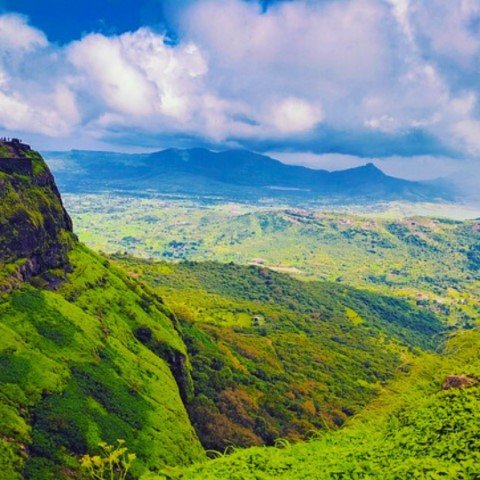
- Weekend mountain and fort treks in Maharashtra
- Himalayan beginner treks with scenic landscapes
- Monsoon treks offering lush greenery and waterfalls
- Winter treks providing snow experiences
These options allow gradual skill development while maintaining safety and enjoyment.
Challenges Women Still Face
Despite growing participation, certain challenges remain:
- Social perceptions and family concerns
- Safety misconceptions about outdoor travel
- Limited awareness about trekking preparation
- Lack of proper gear knowledge among beginners
However, increased awareness campaigns, responsible adventure operators, and supportive trekking communities continue to address these barriers.
Encouraging Responsible and Inclusive Trekking
The rise of women in trekking also promotes responsible tourism. Female travelers often advocate sustainable practices such as minimizing waste, respecting local communities, and protecting natural ecosystems.
Inclusive adventure environments encourage equal participation regardless of age, profession, or experience level, making trekking a shared human experience rather than a niche pursuit.
The Future of Female Adventure Travel in India
The future of trekking in India is undeniably inclusive. As more women embrace outdoor exploration, the adventure tourism industry is evolving to accommodate diverse needs through improved facilities, training programs, and women-focused expeditions.
With increasing visibility, mentorship, and community support, female trekkers are inspiring a new generation to explore mountains with confidence and curiosity.
The trail ahead promises not just growth in numbers but a deeper cultural shift where adventure becomes a symbol of empowerment.
Conclusion
Women in trekking represent one of the most inspiring transformations within India’s adventure tourism industry. By stepping into the outdoors, women are challenging norms, building confidence, and discovering strength beyond physical limits.
Trekking is no longer just about reaching a destination—it is about embracing freedom, resilience, and personal growth. As more women choose the mountains, they are reshaping the spirit of adventure and proving that exploration truly belongs to everyone.
For aspiring adventurers, the message is clear: the mountains are open, the paths are welcoming, and the journey begins with a single step forward.
Recent Posts
The Rise of Female Adventure Travelers in India | Empowering Journeys Beyond Boundaries
How Trekking Changes Your Mindset and Builds Confidence | Transform Your Life Through Adventure
Behind the Scenes: How Plus valley Adventure Organizes an Unforgettable Trek | Adventure Travel Tips
All Categories